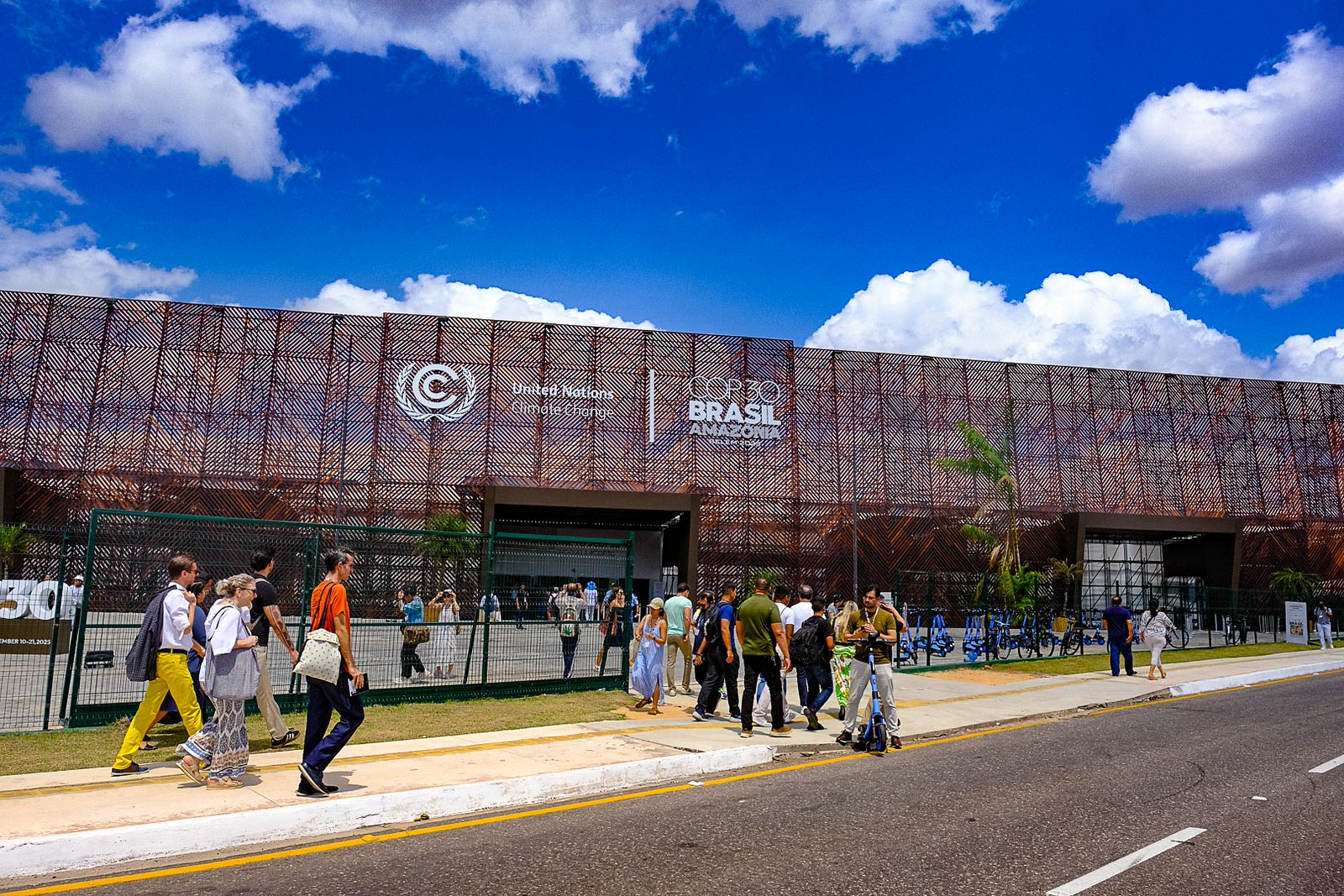





Climate finance is among the most disputed issues during UNFCCC negotiations and the halfway climate talks taking place in Bonn this May made no exceptions.
At an event dedicated to long-term climate finance, Frank Bainimarama, Prime Minister of Fiji and President of COP23 renewed the call to increase the pool of investment for mitigation and adaptation, addressing primarily the wealthiest countries (which promised to raise $100 billion a year in climate finance by 2020).
“We must as a matter of urgency increase the pool of finance available for mitigation and adaptation and ensure that it actually flows,” Bainimarama said. “This includes ensuring that conditions exist for private sector investment to flow in a way that allows rapid transformation of our countries in line with our NDCs. Because all around us is evidence that the threat to the peoples and economies of vulnerable nations is increasing year by year.”
Bringing as an example the launch of Fiji’s sovereign Green Bond, recently presented at the London Stock Exchange, Bainimarama stressed the need for developing direct links between financial markets and local mitigation and adaptation projects, and for more innovative financial instruments that could benefit both investors and people living in climate affected areas.
Alongside the climate negotiations in Bonn (mostly focused on delivering the comprehensive “rulebook” for the implementation of the Paris Agreement at COP24 this year), the Green Climate Fund highlighted recent progress such as the recent approval of 23 projects worth over USD 1 billion in GCF resources. According to the UNFCCC financial body set up to assist developing countries in tackling climate change, the latest round of approval brought the GCF portfolio to a total of 76 low emission and climate resilience projects and programmes, amounting to USD 3,730.2 million in GCF direct funding.
Two recent reports by NGOs Oxfam and Act Alliance pointed out most of the critical issues concerning climate finance that need to be settled down to ensure the implementation of the Paris Agreement. The report by Oxfam assesses the progress towards the $100bn goal. Among significant problems, it stressed that finance for adaptation continued to be overlooked when compared to mitigation finance and that the scale of investments flowing to the poorest and most vulnerable countries remained inadequate.
Moreover, it highlighted the need for shared and transparent accounting standards for climate finance under the Paris Agreement, as the increase in loans and the donors’ practice of overreporting the value of the climate assistance (by including, for instance, repayments and interest) risk to misrepresent the flows of financial help actually disbursed and received.
The analysis by Act Alliance reached similar conclusions about current trends and the need for more clarity on how to report financial flows. By analyzing EU climate finance between 2013 and 2016, the report found that a high proportion is delivered as loans and only a small portion (around a fifth) was provided to Least Developed Countries (LDCs) which are most dependent on external support. According to Act Alliance, Turkey was by far the first recipient of climate aid from EU.
Read more:
UNFCCC website: unfccc.int
Speech of COP23 President Frank Bainimarama at the Workshop on Long-Term Climate Finance (May 7, 2018)
Oxfam report: “Climate Finance Shadow Report 2018”
Act Alliance report: “An analysis of the climate finance reporting of the European Union”