




On the morning of Wednesday, December 13, 2023, COP28 officially concluded. The UNFCCC Conference of the Party – the world’s largest climate conference – brought together global climate experts, policymakers, and activists in Dubai for nearly two weeks.
The closure of the climate negotiations was delayed by a day due to challenges in reaching an agreement on a final text among all involved parties. Whether seen as a victory or a missed opportunity, COP28 undoubtedly marks a milestone in the modern history of climate change and the future of all humanity.
“There are three important elements to this COP,” CMCC Scientific Director Giulio Boccaletti says. “The first is the formal recognition that we must transition away from fossil fuels. Many would have welcomed more forceful language, of course, but it is still progress towards a shared understanding of what our future might look like.”
The final text, approved by the parties, calls for “transitioning away from fossil fuels in energy systems, in a just, orderly and equitable manner”.
“The second element is the ever greater inclusion of adaptation as a growing focus for the resources and influence of the international community,” comments Boccaletti, noting that water security and water management, in particular, are now recognized more strongly than before.
“The third element is not contained in the agreement but is represented by the continued engagement of civil society and the private sector,” Boccaletti notes. “Progress on voluntary carbon markets, for example, has been significant with a push for rationalizing rules and standards and a commitment to doubling down on financing nature-based solutions.”
CMCC played a significant role in COP28, offering scientific support to the climate negotiations and actively participating in various events within the international program, showcasing the breadth and depth of the Foundation’s work and its relevance in today’s climate research landscape. During the COP, we published everyday comments by CMCC experts with a focus on many topics that have been at the core of the UNFCCC conference in Dubai and that are pivotal in addressing the transition to a climate-proof world.
“The COP and the discussions surrounding the meeting confirm the strategic direction we have taken,” says Boccaletti. “First of all, it is clear that we are in a different world from that which we inhabited only a few years ago. Material conditions are now changing enough that they are exceeding the design specifications of the infrastructure and institutions with which even the most advanced nations had emancipated themselves from the variability of the climate system over the course of the 20th century. We must now put adaptation at the heart of all nations’ concerns alongside mitigation.”
Moreover, according to Boccaletti, this shift calls for an integration of the earth system, impact and economic modeling that is still to be discovered. “It also means that a focus on the next 30 years — the timescale over which infrastructural investments and development policies are evaluated — becomes the governing window for much of our research,” he says. Over those timescales, long-term emissions scenarios do not produce a substantially different material outcome, while the time-dependent dynamics of climate phenomena and their interaction with society matter far more.
“Our strategic focus is indeed over that timescale and on the integration of modeling components in a trustworthy modeling chain in service of predicting impacts across the economy and redefining global coasts,” Boccaletti explains.
According to CMCC’s scientific director, this shift in paradigm towards an integrated approach requires new tools capable of seamlessly exploring phenomena at multiple scales for both natural and human processes. This is where the machine learning revolution and the availability of unprecedented planetary data provide an opportunity to rethink how we tackle some of the knottiest problems across fields.
“CMCC’s cross-cutting focus on machine learning and earth observations is precisely aimed at exploring this question,” he adds. “Lastly, while progress has happened on mitigation, it is not enough.”
If the global economy is to overshoot its carbon targets, we will have to figure out not just how to mitigate emissions but to draw down the excess. “For that, we will need to integrate natural and industrial carbon management – says Boccaletti. – along with predicting impacts and rethinking the global coastal frontier, this integration is the third strategic theme for CMCC.”
In this view, CMCC’s strategy is a clear response to the state of science and of society today, and the outcomes of COP28 confirm that direction and impress on it ever greater urgency.
“Of course, there is always the risk that all these remain paper promises – Boccaletti concludes – and that delivery is far too slow to matter, but the continued engagement of non-state actors suggests that the transition, while still requiring much work and effort, is irreversible.”
Read more:
All COP28 articles on Foresight
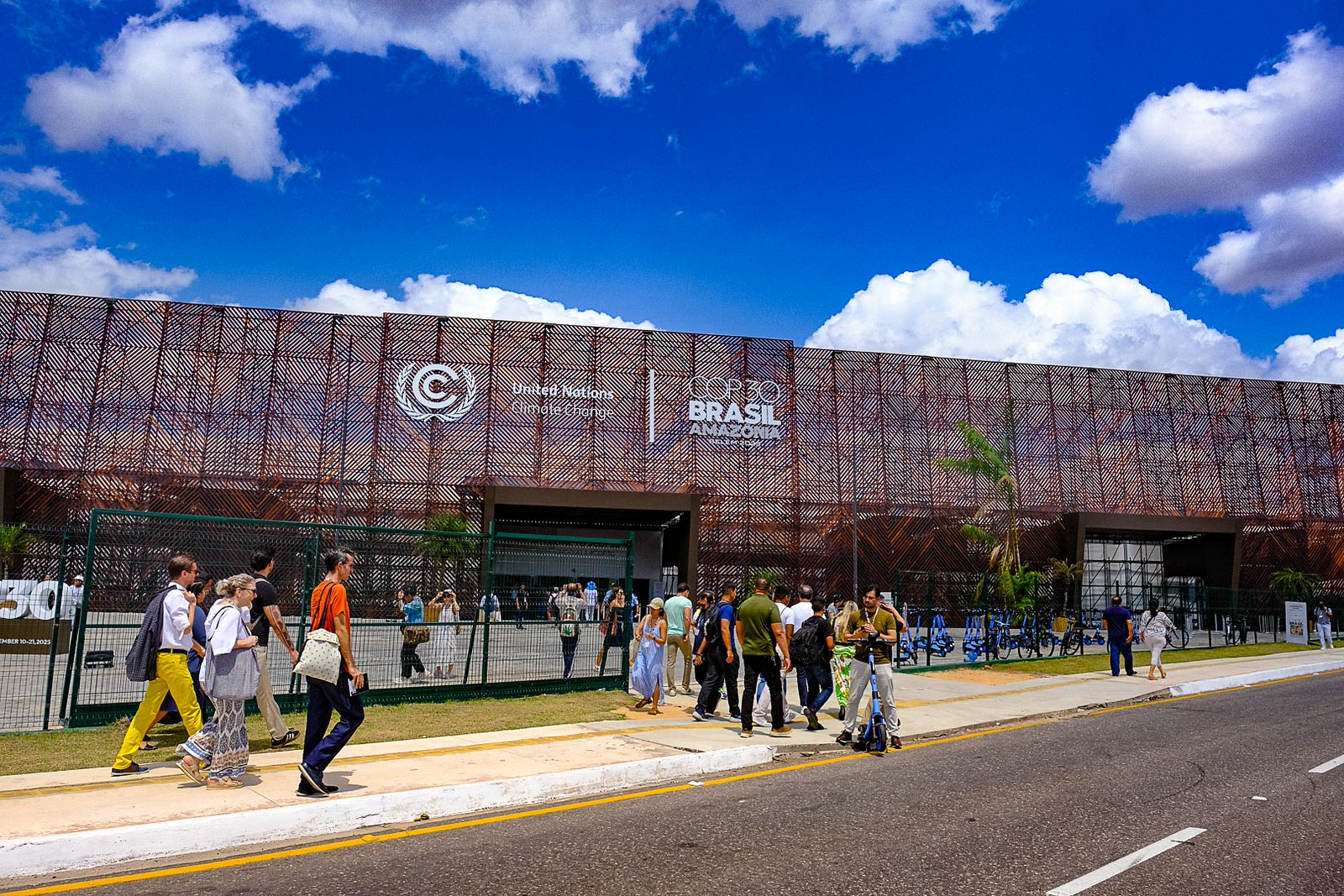
Picture by UNFCCC on Flickr